
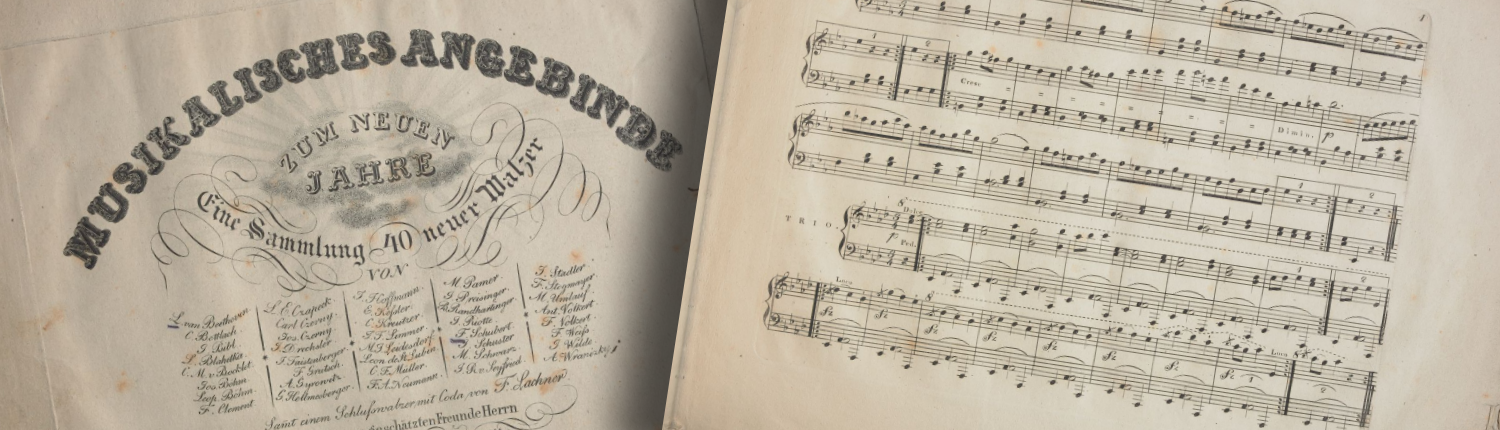
WoO 84 Valzer in E flat major for Piano
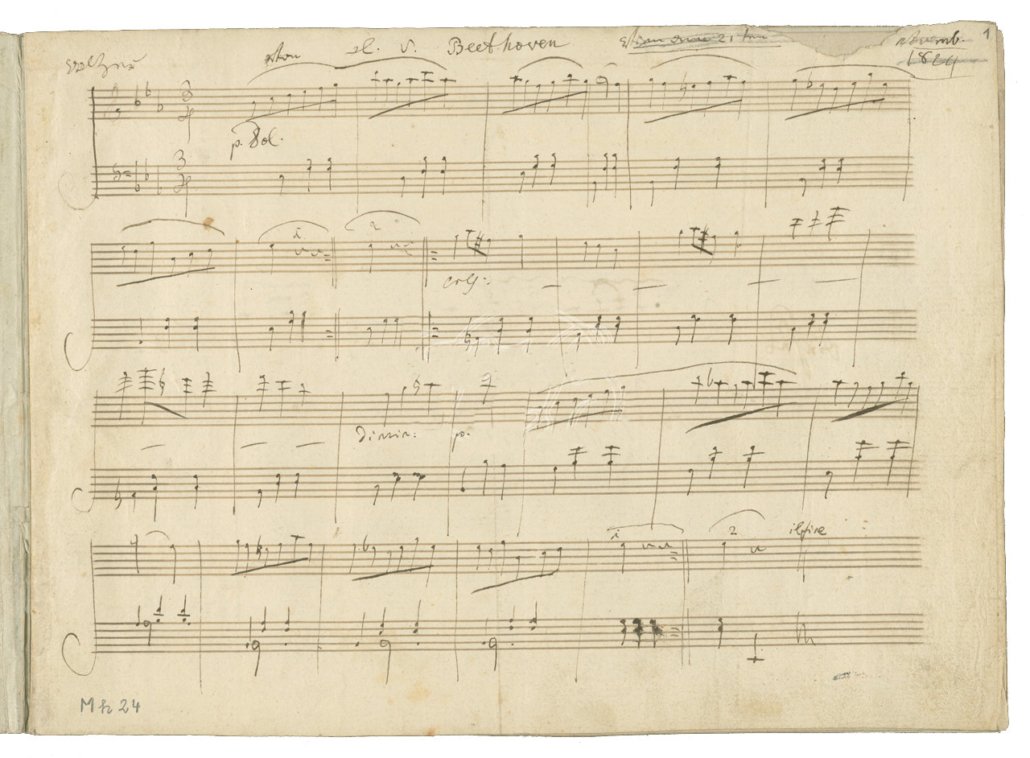
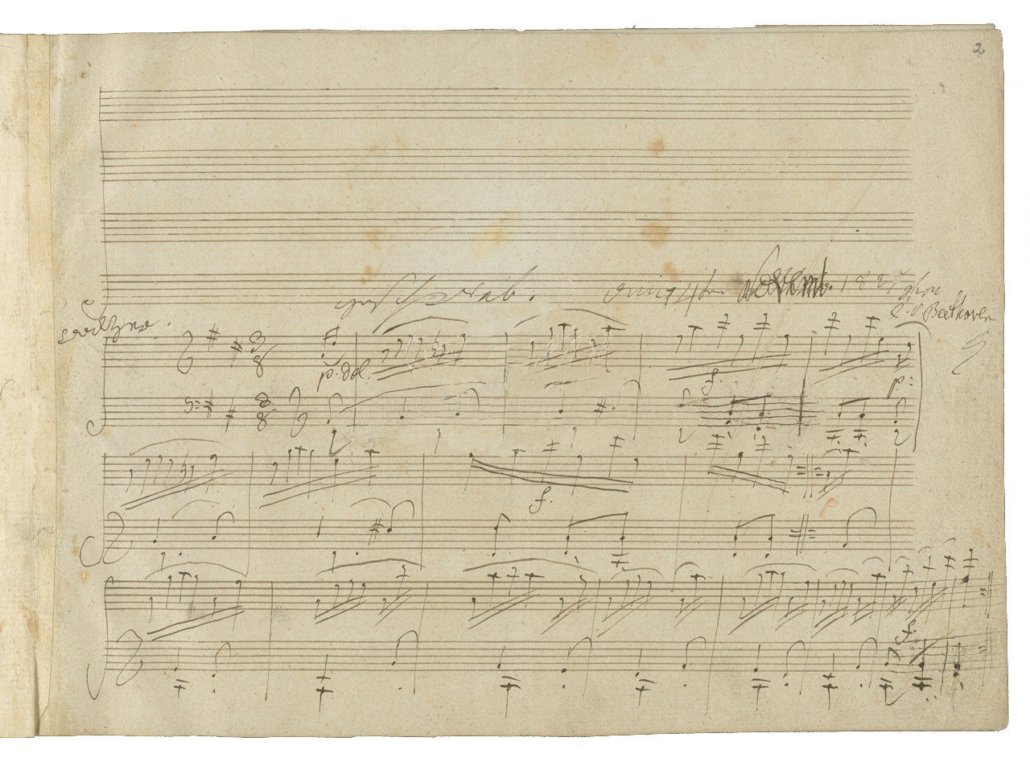
WoO 84 – Waltz in E-flat Major for Piano, 21 November 1824. The waltz was published in December 1824 in Musikalisches Angebinde zum neuen Jahre (Musical Offering for the New Year), a collection of 40 waltzes curated by the Viennese Kapellmeister Carl Friedrich Müller. The Beethoven manuscript is part of the Bodmer collection at the BeethovenHaus (M.U.S., pages 130/24).
For the first time, all 40 waltzes, including the final waltz with coda by Franz Lachner, are available in WP. The collection features names of illustrious unknowns as well as musicians who made history in music: Beethoven, Schubert, Czerny, Leon de Saint-Lubin, Kreutzer, Seyfried, and even a 12-year-old girl, Antonia Volkert, who, in my opinion, was likely one of the daughters of Kapellmeister Franz Volkert (1778–1845), the composer of the thirty-seventh waltz.
We would like to extend our sincere thanks to Pierre-Jean Chenevez for all the work and dedication he has put into this project. The intellectual strength of this man ensures that, at the happy age of 89, he continues to be an inspiration to us all. Thank you, my friend!
We also extend our gratitude to Maestro Alessandro Lettieri, who will perform all the waltzes, including the WoO 85 series, in a unique undertaking. Thank you, Alessandro! (Waltzes performed: numbers 1 to 25).
[By Biamonti Giovanni – Catalogo cronologico e tematico delle opere di Beethoven comprese quelle inedite e gli abbozzi non utilizzati, Torino, ILTE 1968]
Official title: WoO 84 Walzer (Es-Dur) für Klavier Widmung – NGA VII/6 AGA 303 = Serie 25/40
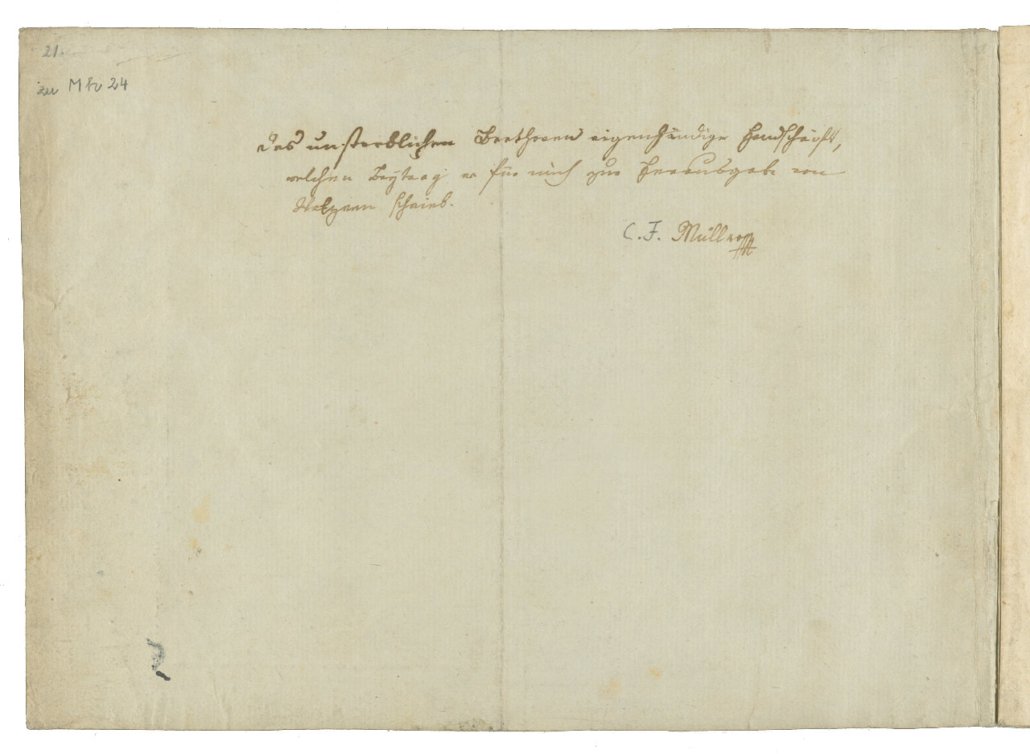
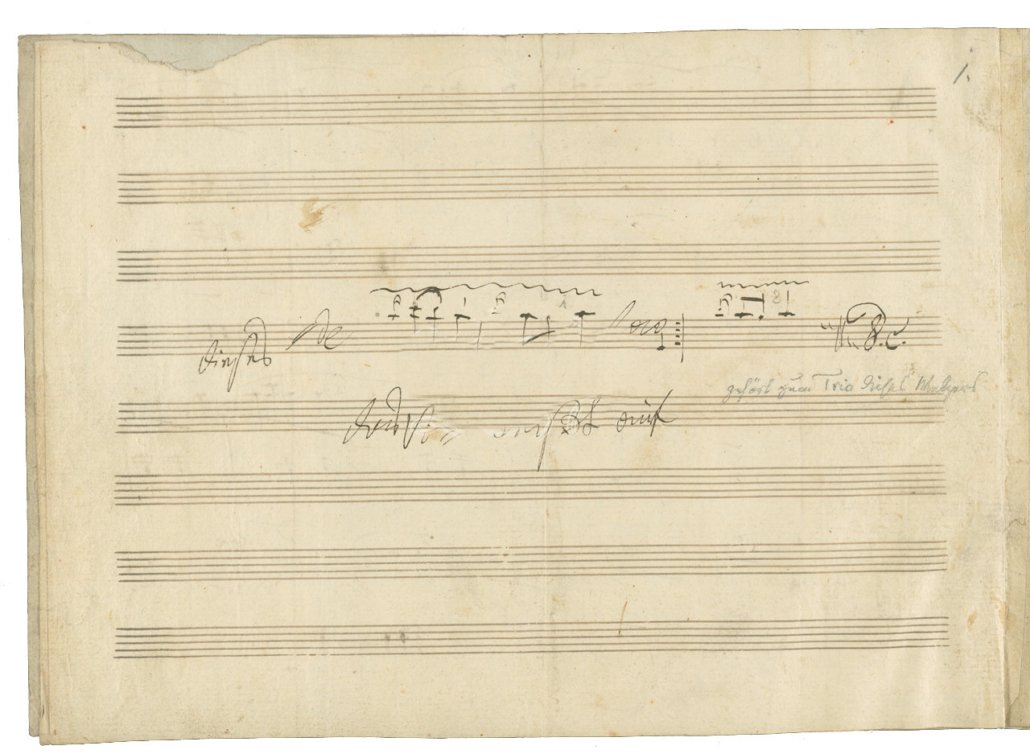
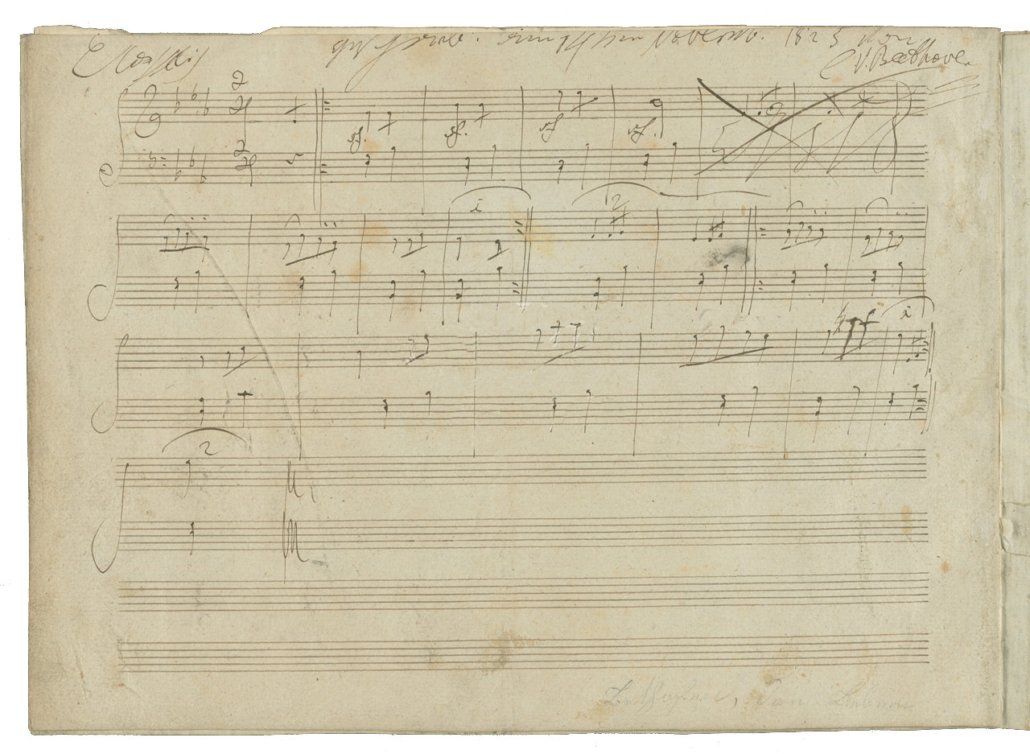
Beethoven composed the two waltzes WoO 84 and WoO 85, as well as the Ecossaise WoO 86 for the Viennese actor Carl Friedrich Müller, who had become incapacitated from work. Müller published the dance collections at his own expense, with the sales providing him an income (at the time, disability meant he could no longer work, in his case as an actor, and thus relied on state support). There is a note in one of Beethoven’s conversation books from the second half of December 1824 to this effect. Beethoven’s nephew Karl wrote: “Müller had the waltzes printed at his own expense and all the art and music stores subscribed to the publication, each for 20 copies. (Müller) will receive 3 florins for each copy.” (BKh 79, page 27v). Other famous composers of the time contributed to these editions. The Sammlung 40 neuer Walzer, which Müller published in December 1824 under the title Musikalisches Angebinde zum Neuen Jahr (“Musical Offering for the New Year”), included Beethoven’s WoO 84 and a composition by Franz Schubert. WoO 85 and 86 appeared a year later, in December 1825, in the collection Seyd uns zum zweytenmal willkommen! Neujahrs und Carnevalsgabe, als Fortsetzung des beliebten musikalischen Angebindes fünfzig neue Walzer ... Müller owned the autograph manuscripts of the three works Beethoven had written for his collections, bound together in a folder. Inside the cover, Müller proudly inscribed: “Des unsterblichen Beethoven eigenhändige Handschrift, welchen Beitrag er für mich zur Herausgabe von Walzern schrieb. CF Müller”. The sheets are attached, and each bears a handwritten date by the composer: “am 21ten Novemb. 1824” and “am 14ten Novemb. 1825”.
In both the Beethoven-Werkverzeichnis (Catalogue of Works) by Georg Kinsky and Hans Halm and in the edition of his conversation books, the Viennese actor Carl Friedrich Müller, for whom Beethoven wrote the three works mentioned above, is confused with the composer and piano teacher from Berlin, Karl Friedrich Müller. Beethoven wrote a friendly letter to the latter in 1825/26, replying to a question. However, the two Müllers are not the same person. The letter to the other Müller from Berlin is still preserved at the Beethoven-Haus with the archive number NE 188.
The sketches will be featured in an article specially created for the Beethoven Music Research Center, www.lvbeethoven.org
WoO 84 is part of the”Research Becomes Art” project
A New Life for the Unknown Works of Ludwig van Beethoven: An Artistic Exploration by Pianist Maestros Francesco Gussago (WoO 84) and Alessandro Lettieri (Entire Collection)

