Opus 37, Concerto No. 3 in C minor for piano and orchestra
I) Allegro con brio – II) Largo – III) Rondo – Allegro
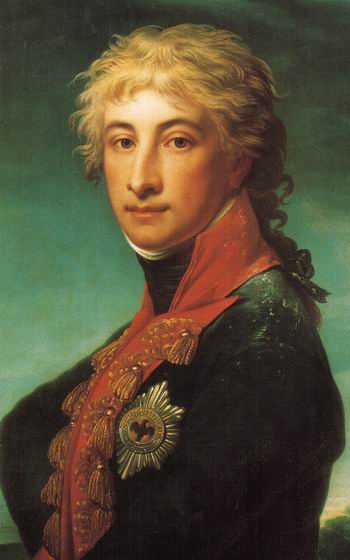
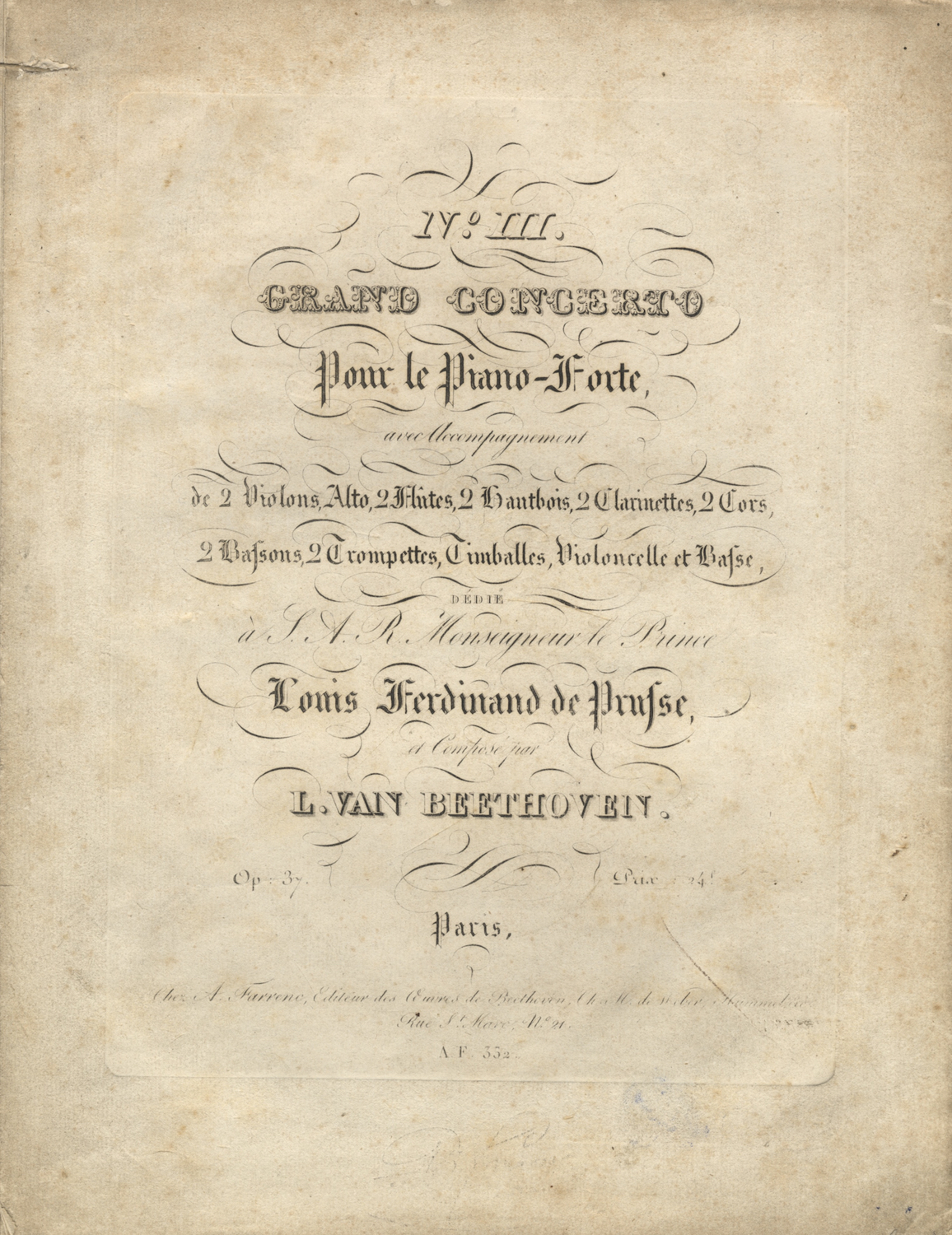
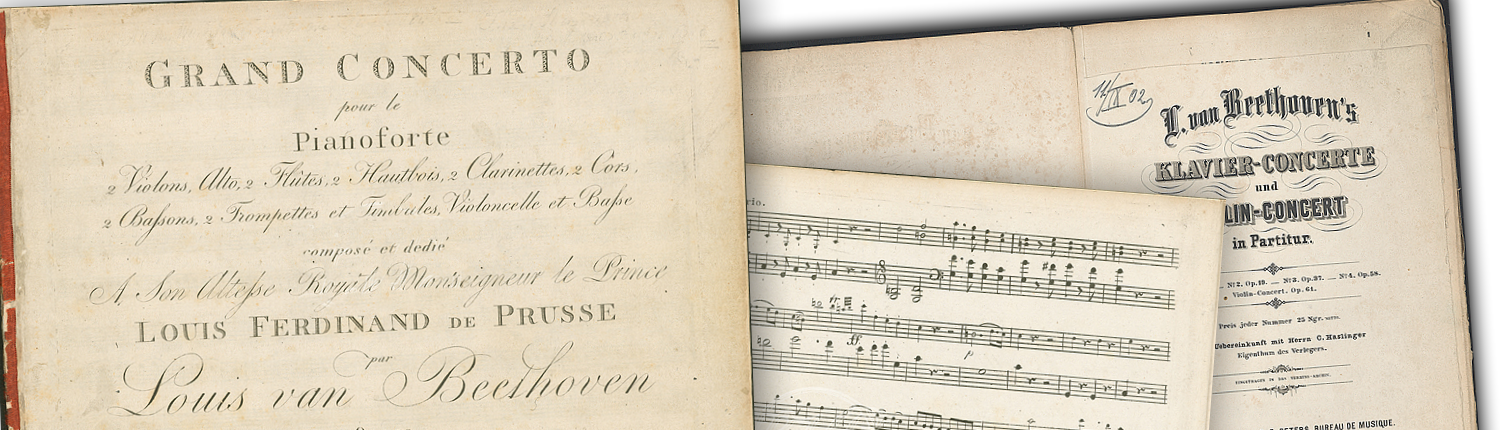
Opus 37, Concerto in C minor for piano and orchestra, op. 37, dedicated to Prince Louis Ferdinand of Prussia, nephew of Frederick the Great, that is, the son of his youngest brother. 1800–1802, published in orchestral parts in Vienna by the Bureau d’arts et d’industrie in the summer of 1804; full score published in Frankfurt by Dunst at the end of 1834 or the beginning of 1835. GA no. 67 (series 9/3) – B. 37 – KH. 37 – L. II, p. 220 – N. 37 – T. 73
Three sketches for this Concerto, dating several years before 1800, are preserved in the Kafka collection of the British Museum and were published at the time by Shedlock. Two of these (the second having the character of a cadenza) clearly relate to the first movement; the third, originally intended for the Rondo and listed as Biamonti 337, remained unused. The autograph manuscript, kept in the Deutsche Staatsbibliothek in Berlin, bears the inscription: “Concerto 1800, by L. van Beethoven.” This indicates that by 1800 the music must already have been composed at least in its essential elements, even if not yet fully developed. The revisions, however, continued until 1802; and it cannot be ruled out—based on reports by Seyfried and Ries—that further modifications and additions were introduced later, up to the time when the work was delivered to the publisher for printing.
The Allegro con brio is based on one of those typical C minor frameworks that appear in several other Beethoven works from the same period: the Quartet op. 18 no. 4, the Sonata for Piano and Violin op. 30 no. 2, the Trios op. 1 no. 3 for piano, violin and cello, and op. 9 no. 3 for violin, viola and cello, as well as the Piano Sonata op. 10 no. 1. Yet when the piano re-enters after the orchestral exposition, restating the same thematic material, it asserts itself with the authority of a true protagonist; and as the movement continues—alternately in opposition to or in alliance with the orchestral forces—it intensifies and expands the traditional form, already so expressively enriched by Mozart’s noble models.
Among the various thematic elements, principal or secondary, there is one of a special character which, at first bound to the main theme as its natural echo in rhythm and tone, later assumes in the dialectical and dramatic context of the recapitulation and coda a marked individuality—essentially instrumental in nature (in contrast to the melodic expansiveness of the main theme)—by turns acquiescent or mysterious, doubtful or sombre. It foreshadows, comments on, echoes, or at times even seems to contradict the discourse of the main idea. Particularly striking is its reappearance, after the cadenza, in the timpani.
The Largo opens with a nocturne-like melody on the piano, made all the more alluring by the shifting of tonal colours it touches upon before settling gently into its final cadence in B major. The orchestra then enters in the initial key, concluding its phrase with a descending bass line, expressively complemented by the contrary ascending motion of the upper strings and woodwinds. A second, more florid melody, again rising from the solo instrument, is less intimate, though sweet and refined; notable is the ensuing episode, where from the piano’s shadowy arpeggios emerge the sighing voices of some wind instruments, especially the bassoon. Structurally, this passage leads, through a gradual return of the opening atmosphere, to the restatement of the original melody, now in a closer expressive union between soloist and orchestra, continuing to the final cadence.
The Finale (Allegro) has, as is customary, a lighter character; its themes and developments take on a lively, dance-like quality, full of instrumental playfulness. During the development, certain rhythmic echoes in the piano, with its rebounding octaves and vivid shifts in tonality, recall the Finale of the Eighth Symphony.
Witty, too, is the concluding Presto in 6/8 and C major, derived from the same motif. Beethoven republished it in 1820 in a version for solo piano, together with five Bagatelles from op. 119, in the third part of F. Starke’s Wiener Pianoforte-Schule (see Hess 65 – Biamonti 730).
[By Biamonti Giovanni – Catalogo cronologico e tematico delle opere di Beethoven comprese quelle inedite e gli abbozzi non utilizzati, Torino, ILTE 1968]