

WoO 64 – 6 Variations in F major on a Swiss theme for piano or harp
Theme – Andante con moto
WoO 64 6 Variations in F major on a Swiss theme for piano or harp, 1790, published in Bonn, Simrock, 1798. GA. number 177 (series 17/16) – Bruers 183 – KH. (WoO) 64 – L. IV, page 320/12 Nottebohm page 156 – P.97 Sch. pages 148/17 and 150/17 (from the Second and Third Editions respectively; missing from the First Edition). The original manuscript is preserved in the Beethoven Haus (Bodmer collection). The Swiss theme is that of the song “Es batt e’ Buur e’ Tochterli”, published in 1790.
The lied appeared in 1782 in the first volume of Johann Friedrich Reichard’s Musikaliches Kunstmagazin. These Variations are dated between 1790 and 1792, and according to Klaus Kropfinger, 1791. They are, according to a definition by François-René Tranchefort: “(…) a scholastic exercise based on a truly ugly original melody.(…)”.[1] According to Luigi Della Croce, these Variations were proposed to Beethoven by Neefe for practice and in which: “(…) the sing-song theme is treated in a rather conventional way.(…)”[2]
[1] From François-René Tranchefort: Beethoven in Guide de la musique e de clavecin, taken up by Amedeo Poggi and Edgar Vallora: Beethoven. “Signori il catalogo è questo!” Einaudi publisher
[2] Luigi Della Croce: Ludwig van Beethoven. La musica pianistica e da camera. L’Epos publisher

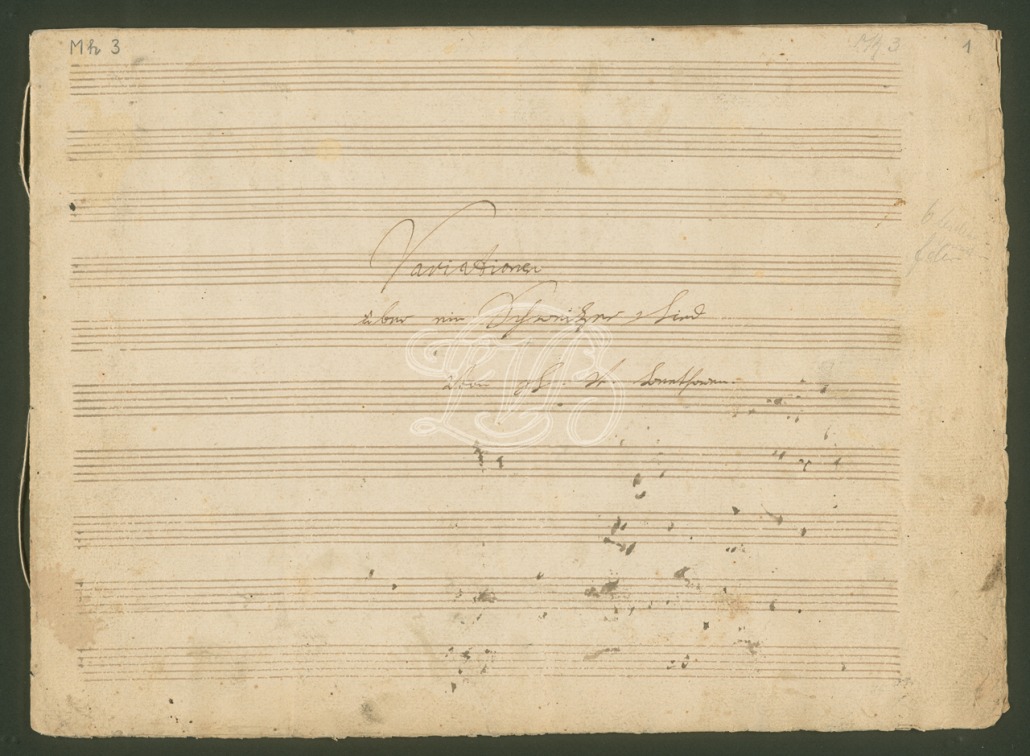
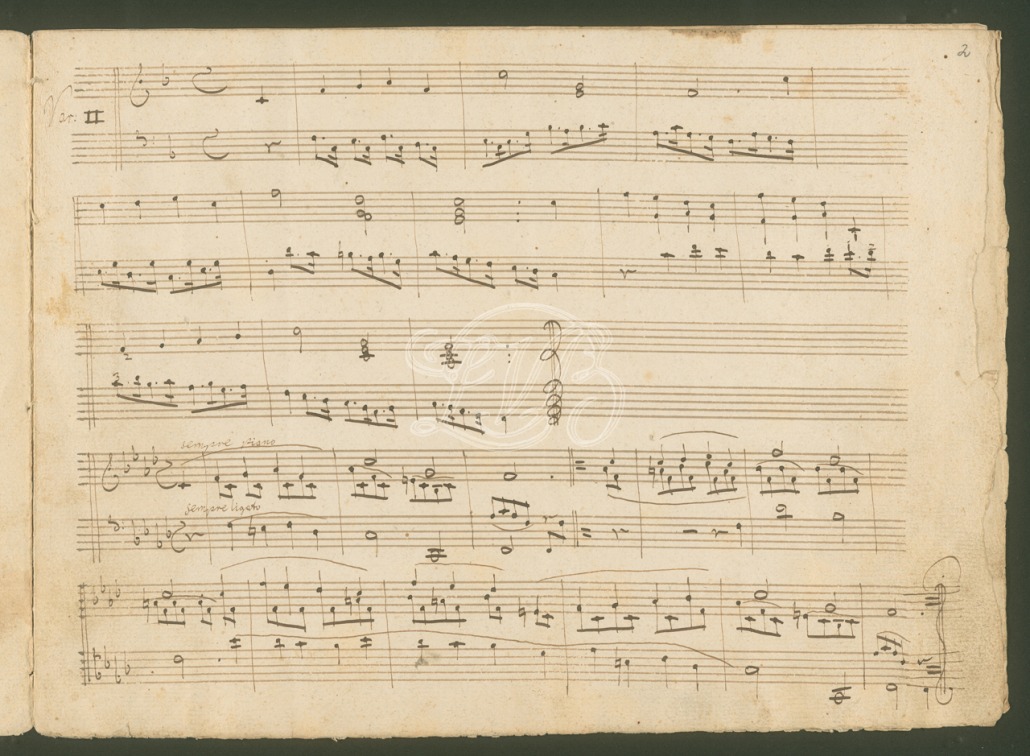
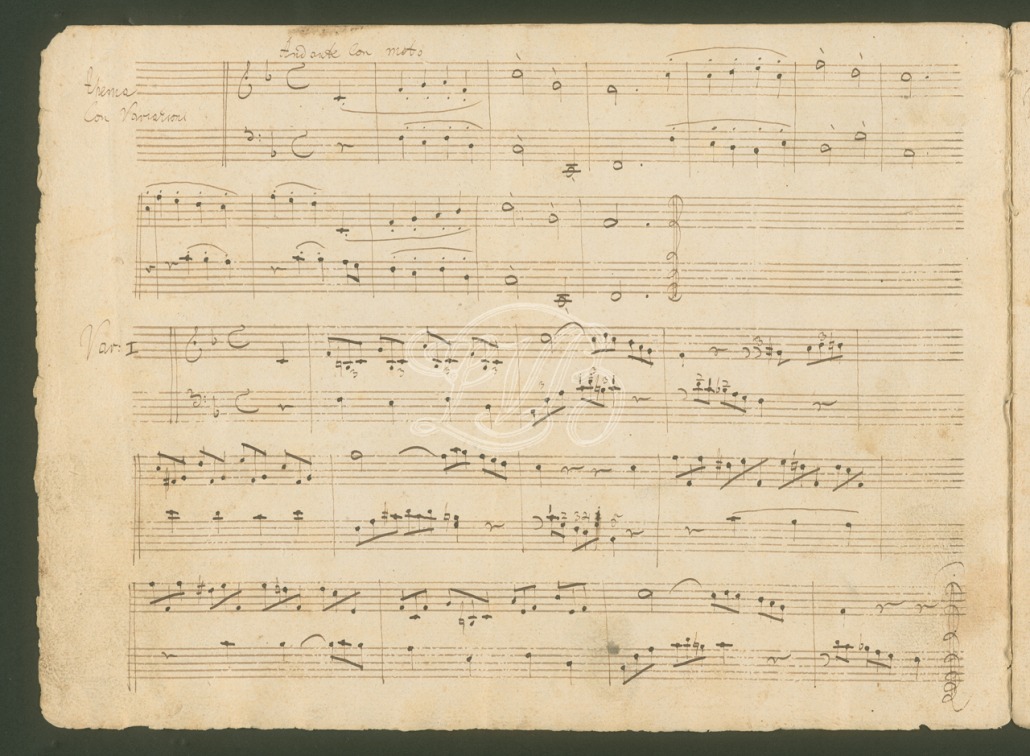
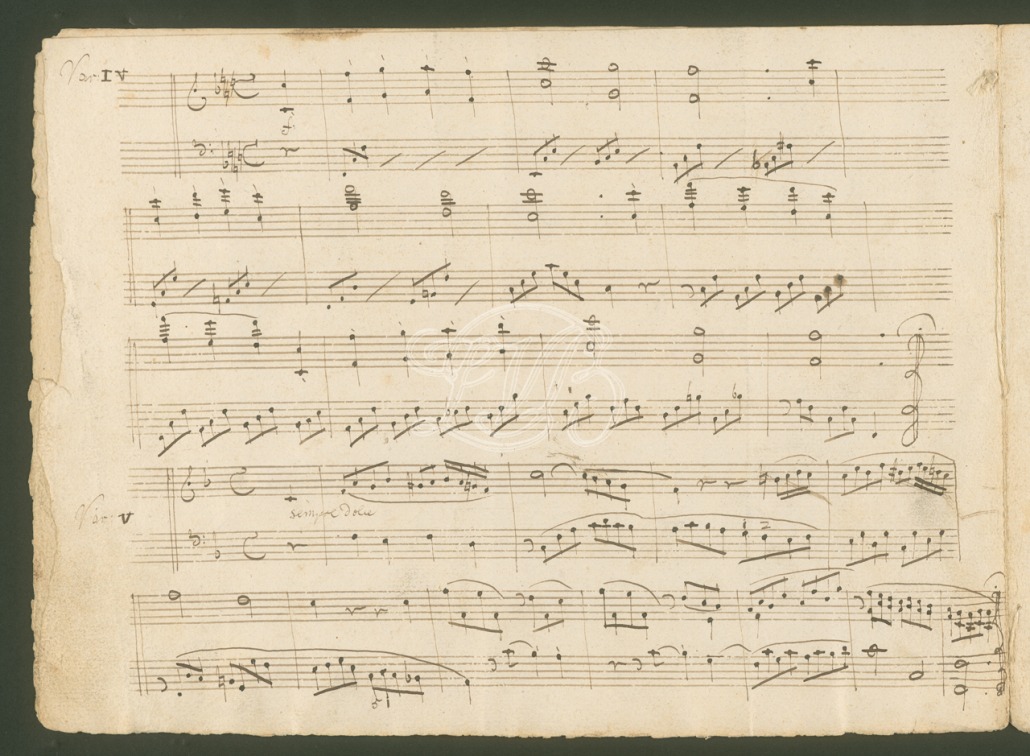
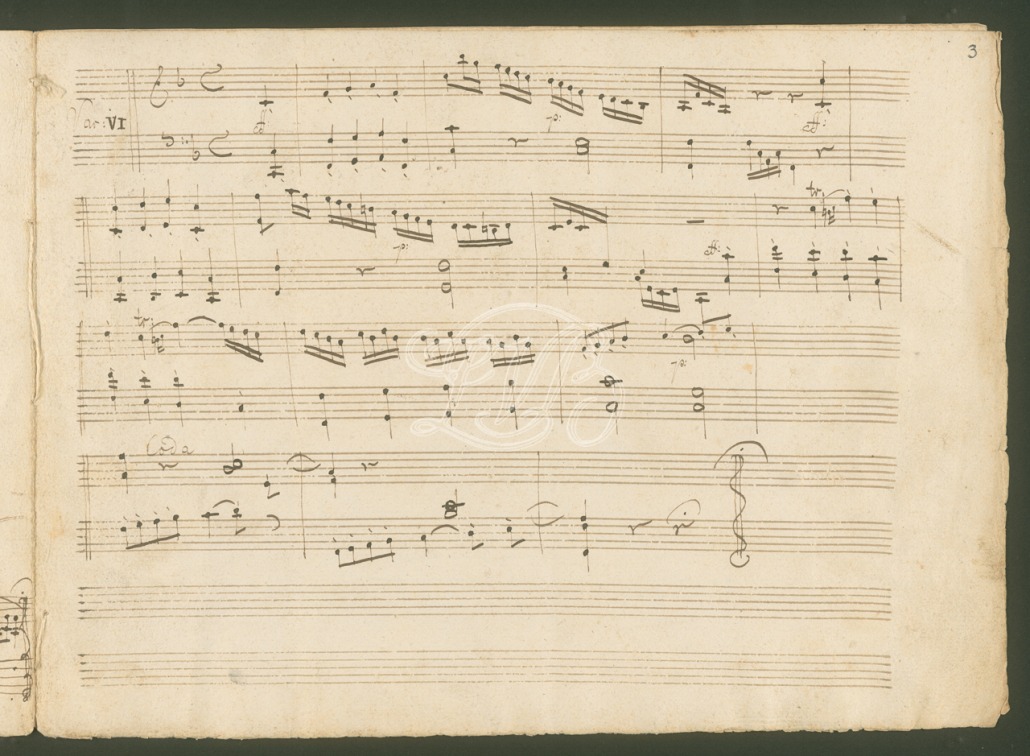
The autograph score for the Variations on a Swiss Air is unusually neat. It was written so well that the Berlin manuscript dealer Liepmannssohn, through whose hands many famous manuscripts passed, still thought in 1930 that it was a copy made by a professional copyist. It is now certain that it was written by Beethoven himself. However, assigning a date to this composition is rather problematic. The song used as the theme for the Variations was published in 1781—too early to offer a direct clue. The paper on which the autograph score was printed is unique among those used by the composer. Beethoven used similar paper from the same paper mill in his final years in Bonn, between 1790 and 1792. This is confirmed by an analysis of the handwriting. As is common, a person’s handwriting changes significantly as they age, and Beethoven was no exception to this rule. The characteristics of the young Beethoven’s handwriting that we examined are the shape and flow of the clefs, notes, slurs, etc., which change over the years. Using these results, the composition date of the autograph score can be narrowed down to between 1790 and 1792.
The autograph was written with great care so that Beethoven could later use it as a model for a possible future engraving. In 1798, the variations were published by the Simrock publishing house, newly founded in Bonn. (From Julia Ronge)
WoO 64 is part of the “Research Becomes Art” project.
A New Life for Ludwig van Beethoven’s Unknown Works: An Artistic Exploration by Harpist Professor Paola Perrucci

